When is the Best Time of Year to Install Epoxy Flooring in Florida?
By Marcus Whitfield, Lead Installer · Published April 15, 2026
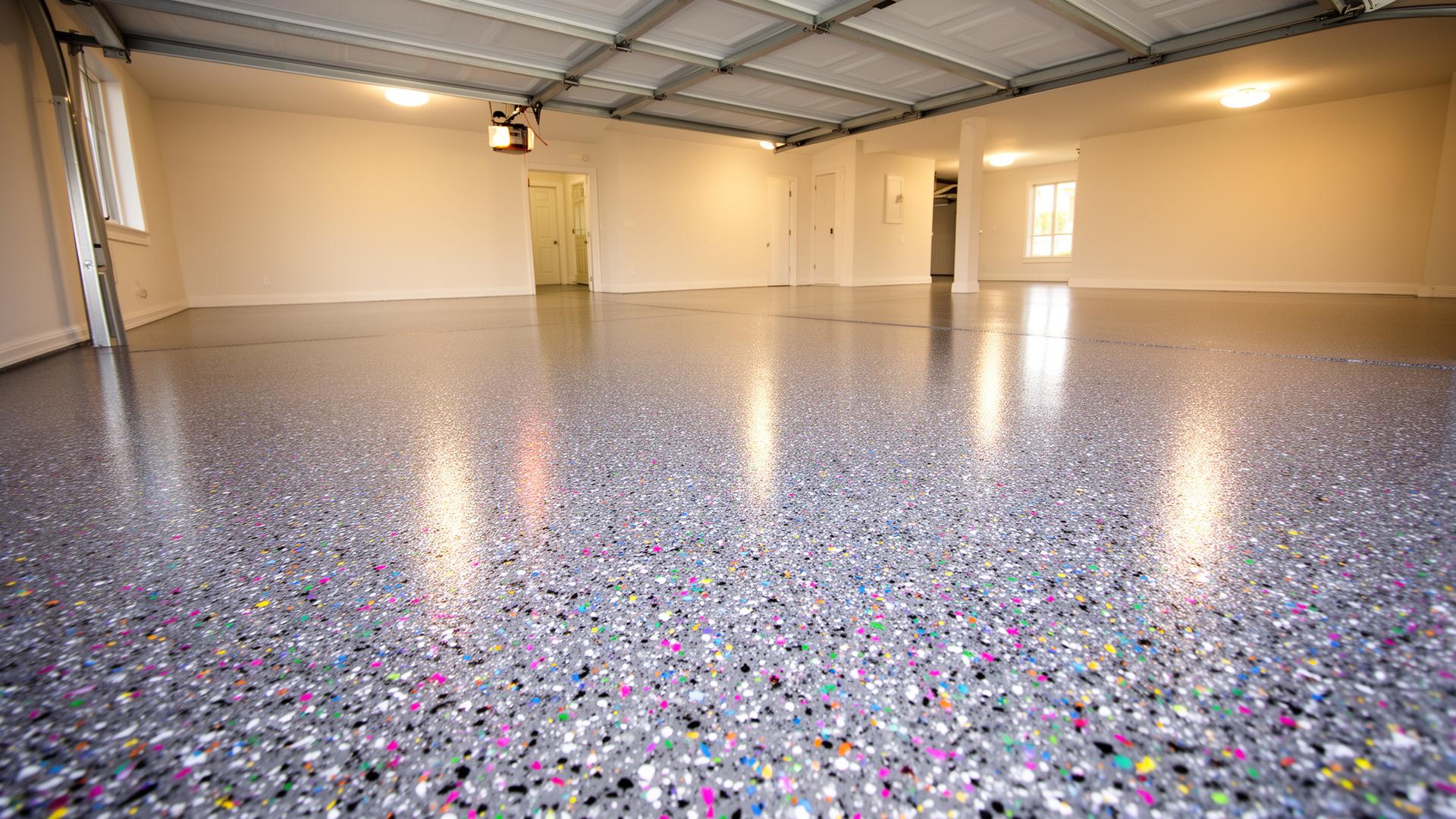
Spoiler: there's no bad season in Gainesville if your contractor knows how to handle Florida humidity. Here's what actually matters month-by-month.
Why timing matters for epoxy
Epoxy is a chemical reaction between resin and hardener. Temperature affects how fast that reaction happens — too cold and the coating won't cure, too hot and it cures before you can spread it. Humidity matters because moisture interferes with the bond between coating layers. In ideal conditions (70-80°F, 40-60% relative humidity), epoxy installs like a dream. In Gainesville's reality — 90°F with 80% humidity in August — you need a contractor who adjusts material formulation and install timing accordingly.
Spring (March-May) — generally ideal
Spring is our favorite installation season in Gainesville. Daytime temps in the 70s-80s, humidity moderate, low rain probability. Concrete moisture levels are stable after winter, and we can work all-day shifts without weather delays. We typically book 30-40% of the year's projects in this window. If you have flexibility, schedule for March-May.
Summer (June-September) — workable with care
Summer is challenging but absolutely doable. Daily afternoon thunderstorms mean we work mornings only for outdoor projects (pool decks, patios). Indoor garage and commercial work proceeds normally with AC running. We use slower-cure 'tropical' hardeners that give us more working time at 90°F. The big advantage: contractors are often more available in summer and pricing is sometimes slightly negotiable.
Fall (October-November) — second-best window
After hurricane season tapers (mid-October on), fall conditions in Gainesville rival spring. Cooler nights, lower humidity, no afternoon thunderstorms. This is our second-busiest booking window and a great time to schedule basement and indoor projects. Outdoor projects work great too.
Winter (December-February) — surprise winner for indoors
Florida winter is actually fantastic for indoor epoxy work. Low humidity, stable temperatures, and we can run the install for full 10-hour days without heat-related issues. The only downside: occasional cold snaps below 50°F require us to spec polyaspartic (which cures down to 30°F) instead of standard epoxy for outdoor projects. For garages and basements, winter installs are perfect.
What to ask your contractor about timing
Three good questions: (1) Do you adjust material formulation seasonally? (Yes is the right answer — slower-cure for summer, faster-cure for winter.) (2) How do you handle moisture vapor in Florida concrete? (They should mention ASTM F1869 calcium chloride testing or moisture-mitigation primer.) (3) What's your weather contingency plan? (Real answer: reschedule outdoor work, complete indoor work as planned.) If your contractor says 'we can install any day of the year with the same product' — find a different contractor.