Epoxy vs Polyurea Floor Coatings: Complete 2026 Comparison
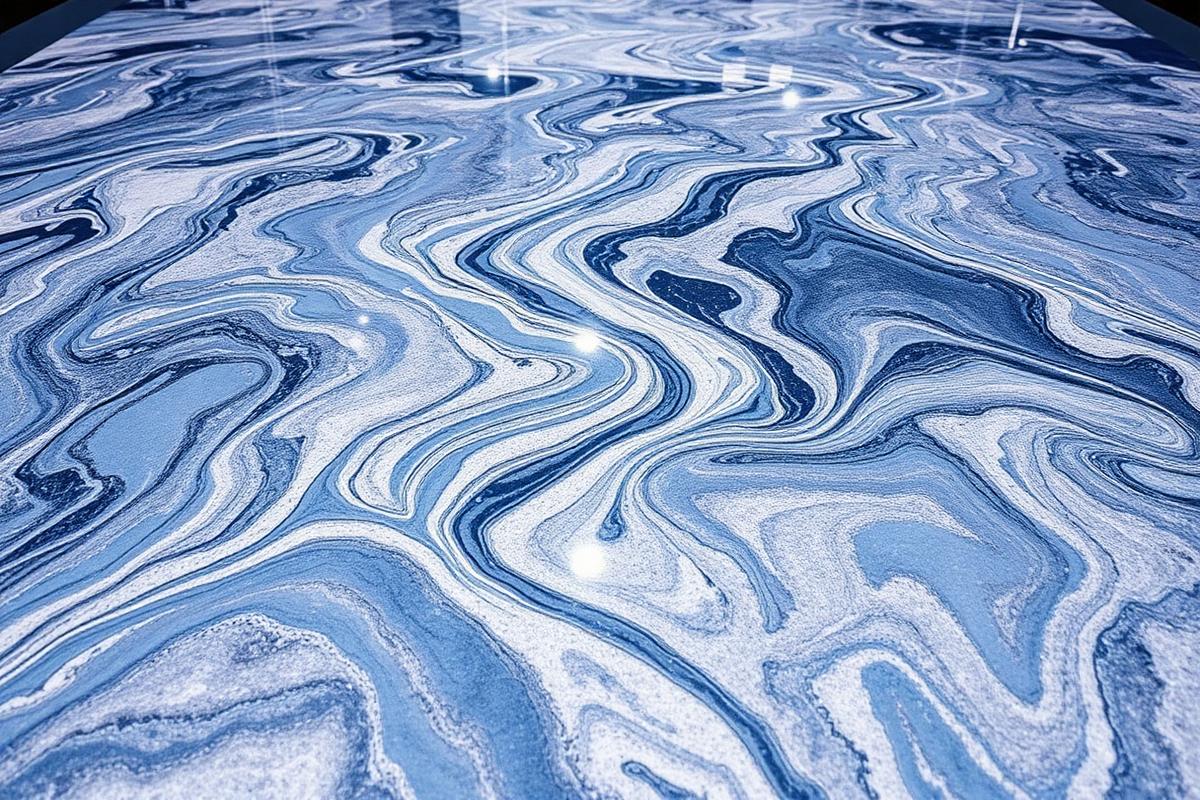
Epoxy and polyurea (and its cousin polyaspartic) are the two dominant chemistries in the floor coatings industry, and customers ask us every week which one is better. The honest answer is 'it depends what you're optimizing for.' Both are excellent. Both have failure modes when used wrong. Here's a complete breakdown to help you decide.
The chemistry, simply explained
Epoxy is a two-part thermoset resin that cures via cross-linking between an epoxide resin and an amine hardener. The reaction is slow (8-24 hours), exothermic (releases heat), and produces an extremely hard, chemical-resistant film. Polyurea is a two-part elastomeric coating that cures via reaction between an isocyanate and an amine-terminated resin. The reaction is extremely fast (seconds to minutes for pure polyurea, hours for slower-cure polyaspartic variants), producing a flexible, abrasion-resistant film.
Cost: epoxy wins on price
Material cost for a residential garage coating: $400-$600 wholesale for standard epoxy chemistry vs. $700-$1,100 for full polyaspartic. Installed pricing tracks the same — epoxy systems run $5-$8 per sq ft installed, polyaspartic runs $6-$10. For a typical 2-car garage that's a $200-$400 difference. Polyaspartic costs more because the raw materials are more expensive and installation requires faster work pace and more skilled labor.
Install time: polyaspartic wins big
Standard epoxy systems install over 2-3 days due to extended cure times between coats. Polyaspartic systems can install in a single 8-10 hour day. For homeowners with tight schedules — selling a house, single garage with no parking alternative, business needing fast reopening — polyaspartic's speed is genuinely valuable. For most homeowners, the 3-day install is acceptable.
Durability: tie, with caveats
Both chemistries are extremely durable when properly installed. Epoxy has higher compressive strength (better for heavy point loads like floor jacks). Polyaspartic has higher tensile strength and elongation (better for slabs that move from thermal cycling or vibration). For 95% of residential applications, the difference is academic — both last 15-20+ years.
UV stability: polyaspartic wins
Standard aromatic epoxy yellows and chalks in direct UV exposure within 2-3 years. Polyaspartic is inherently UV-stable and remains color-true for 10+ years even in direct Florida sun. For outdoor applications (pool decks, patios, exterior commercial floors), polyaspartic is the only correct choice. For indoor garages, either works fine — but most contractors use polyaspartic as the topcoat anyway because it's also more abrasion-resistant.
The hybrid system: best of both worlds
This is what we install on most residential garages: 100%-solids epoxy basecoat (thick, strong, bonds to concrete) topped with two coats of polyaspartic (UV-stable, abrasion-resistant, fast-curing). You get the strength and economy of epoxy in the base layer plus the UV stability and toughness of polyaspartic in the wear layer. 3-day install. 5-year warranty. Best value in the industry for the result you get.
Our recommendation
Standard residential garage in Gainesville: hybrid epoxy + polyaspartic system, $5-$8 per sq ft. Commercial space needing 1-day install: pure polyaspartic, $6-$10 per sq ft. Outdoor pool deck or patio: pure polyaspartic with anti-slip aggregate, $6-$10 per sq ft. Indoor basement: hybrid system, $6-$9 per sq ft. Call us at (352) 555-0421 for a free spec consultation.